



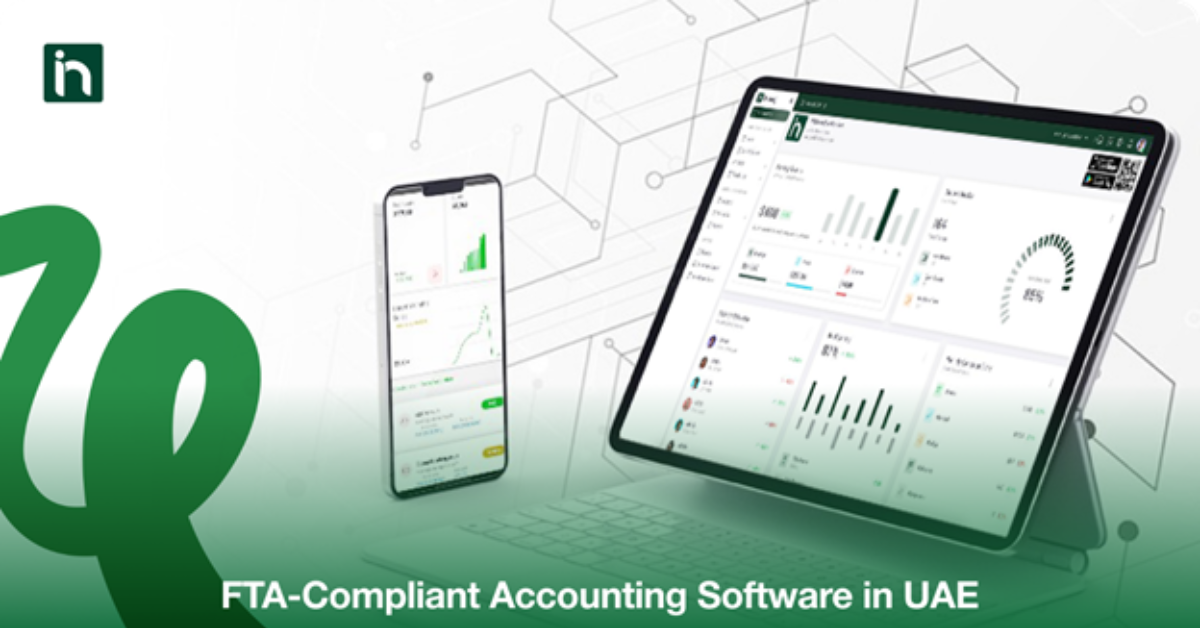
FTA-Compliant Accounting Software in UAE: Complete Guide
Running a business in the UAE without the right accounting software is like flying blind. You might be making money, but you have no idea where it's going. Worse, the Federal Tax Authority (FTA) has no idea where it's going either. And that's when problems start. The difference between FTA-compliant accounting software and random software you download online isn't just a technical detail. It's the difference between sleeping well at night and waking up to an audit notice. Let me explain why, and what you actually need to know.
Why This Matters More Than You Think
The FTA isn't just being difficult when they provide guidance on compliance.They're actually solving a real problem. Businesses file incorrect VAT returns. Invoices get created incorrectly. Records disappear. When this happens, someone has to pay, and it's usually the business owner.
The FTA compliance framework ensures software vendors meet strict standards. Think of it like food safety certification. Just because something looks like food doesn't mean it's safe to eat. Same with accounting software. Just because it looks like it calculates VAT doesn't mean it does it correctly.
When you use accounting software that is FTA-compliant, you’re getting something built to meet FTA standards. It's designed to generate audit files correctly, create invoices in the right format, and store records properly for five years. You're not guessing. You know it works.
What FTA Actually Requires
To understand which accounting software is compliant with FTA standards, you need to know what they're actually looking for. The FTA has specific technical requirements that vendors must meet. These aren't suggestions, they're nonnegotiable.
First, the software has to generate something called an FAF, or FTA Audit File. This isn't a regular export of your data. It's a specially formatted file that the FTA system can read directly. Every transaction, every invoice, every payment gets recorded in this file. The format has to be exact. Second, VAT returns have to come out automatically. You shouldn't be manually calculating anything.
What FTA-Compliant Accounting Software Actually Looks Like
When you search for FTA-compliant accounting software, you'll find a range of vendors addressing different business needs. Tally Prime is widely used. Zoho Books is cloud-based. QuickBooks Online works with international versions. SAP, Sage, Odoo, and others are built to meet VAT and compliance requirements.
But knowing the names isn't enough. You need to understand what each one actually does for your business.
Tally Prime has been around for decades. Accountants across the UAE learned on Tally. For small and medium businesses, it's the default choice. It's not fancy. The interface won't win any design awards. But it handles VAT like nobody else. The moment you enter a transaction, Tally knows what to do with it. Bilingual invoices come out perfect. When you hit the button to create your VAT return, it's done. No surprises.
Zoho Books is modern and cloud-based. You work from your computer, your phone, or anywhere you have internet. It integrates directly with the FTA's EmaraTax portal, so you can file your VAT return right from within Zoho. For small businesses that want to move away from desktop software, Zoho is solid. The learning curve is gentler than Tally's. New team members pick it up faster.
QuickBooks Online works great if your business already uses QuickBooks somewhere else. Maybe you have an office in America or London. The UAE version plays nicely with the global version. It handles VAT correctly and generates reports that meet FTA compliance standards.
FirstBit is interesting because it's actually built in the UAE. It understands local needs because it was designed for local businesses. It comes in Russian, Arabic, and English, which matters if your team speaks different languages.
Indraaj has entered the market as a modern, cloud-native solution. They're fully FTA-compliant and localized, meaning the software was built specifically for the UAE market, not adapted from global software. Their interface works in both Arabic and English with proper right-to-left support.
They include integrated payroll with HRMS, something most competing solutions charge extra for. Team members get unlimited access, which saves money if you have multiple staff using the system. The local support actually matters when you need help from someone who understands how UAE businesses work.
The Difference Between What You Think You Need And What You Actually Need
Most business owners assume they need the biggest, fanciest software with the most features. They look at enterprise solutions and think that's what will make their business professional.
Here's the reality. If you're a small business, you probably need accounting software that handles 15 percent of what these systems offer. The other 85 percent is just taking up space.
What you actually need is software that gets VAT right, creates proper invoices, generates audit files, and doesn't cost more than your business can afford. You need something where your team can learn the basics in a week, not a month. You need support you can actually reach when something goes wrong.
How To Make Your Decision
Start by asking what you actually need the software to do. Are you a freelancer with 50 invoices a month? Are you a retail business with thousands of transactions? Are you a service company with projects and multiple team members? Your answer changes which software makes sense.
If you want proven reliability and your accountant knows the system, go with Tally Prime. If you want modern cloud software that works anywhere, pick Zoho Books. If you need something designed specifically for the UAE with bilingual interfaces and integrated payroll, look at Indraaj. If you have complex operations with multiple locations or units, you'll need something more powerful like Sage or Odoo. In every case, verify the software meets FTA compliance requirements before you commit. Don't assume because it's popular that it automatically complies. Check the technical capabilities, audit file generation, and VAT handling.
Making The Right Choice For Your Business Finding FTA-compliant accounting software isn't complicated when you know what to look for. You need something that actually meets the technical requirements the FTA set. You need something that fits your business size and budget. You need something your team can actually use without hating it.
The cost of getting this wrong is too high. Penalties start at 1,000 AED and go up from there. Audits take time and money. Your business can get flagged as non-compliant. None of this happens if you pick proper FTA-compliant software from the beginning.
Take a day to understand what accounting software actually needs to do for VAT compliance. Make a list of what your business needs. Ask questions. Get a demo. Then make a decision you're confident in.
That confidence is worth every minute you spend getting it right.