




VAT Form 201 UAE: Stop Leaving Money on the Table
The VAT 201 form UAE is your quarterly tax conversation with the Federal Tax Authority: what you sold, what you spent, what you owe. But in real businesses, companies file late, miss deductions, get audited, and lose tens of thousands of AED. Here's how the VAT 201 return actually works, and why doing it manually is destroying your bottom line.
📷
What's the VAT Form 201 UAE Really About?
Think of the VAT 201 return form as your business's financial health check with tax authorities. Every quarter, you're telling the FTA: "Here's what we collected in VAT from customers, here's what we paid out on purchases, and here's the difference." That difference is either money you owe them or money they owe you. The VAT 201 format might look like a lot of boxes and numbers, but it's actually just following a simple math equation.
Do You Actually Have to File One?
You've got to register for VAT and file these returns if your business brings in more than AED 375,000 per year. Once you're registered, you file every single quarter, even if you had zero sales. The FTA won't cut you slack on this; miss a deadline and you're paying penalties before you know what hit you.
Breaking Down the Form 201 VAT UAE: What Goes Where
Form 201 VAT UAE has seven main parts: Your Business Info (pulled automatically), Money You Collected in VAT (broken down by emirate, where most people mess up), VAT You Paid Out (what you can claim back), Changes and Corrections, Stuff You Imported, What You Actually Owe (collected minus paid VAT), and Signature and Final Sign-Off.
How to Actually File the Thing
Log into EmaraTax portal, click VAT then "My Filings," find the unfiled return, select "VAT 201 – New VAT Return," double-check your tax period, plug in sales numbers broken down by emirate, add purchase amounts and claimable VAT, review the calculated net amount, get authorization, then submit.
When Does This Have to Be Done?
You've got until the 28th of the month after your tax period ends. Miss that and it's AED 1,000 minimum fine, up to AED 2,000 if it becomes a pattern. Pay late and the FTA charges 2% immediately, then 4% every month it sits unpaid. Wrong numbers on your return? AED 3,000 to AED 5,000 in fines. Not keeping documents? AED 10,000 to start.
Where Manual VAT Filing Actually Costs You
Here's what I see happening: A Dubai trading company spends two days every quarter reconciling invoices across three emirates. Their finance team juggles spreadsheets, they miss a deduction worth AED 8,000, file one day late (AED 1,000 fine), claim back VAT the FTA rejects (AED 3,000 fine). Over three years: AED 12,000 in penalties plus wasted staff time. If audited without organized records, the cost multiplies.
📷
The Indraaj-Led Solution: Your VAT Compliance on Autopilot
This is where most businesses break down: they try to handle VAT compliance with the same tools they used five years ago. Spreadsheets. Manual entry. Hoping nothing falls through the cracks. Indraaj was built specifically to eliminate this problem. Here's how it actually works for your business:
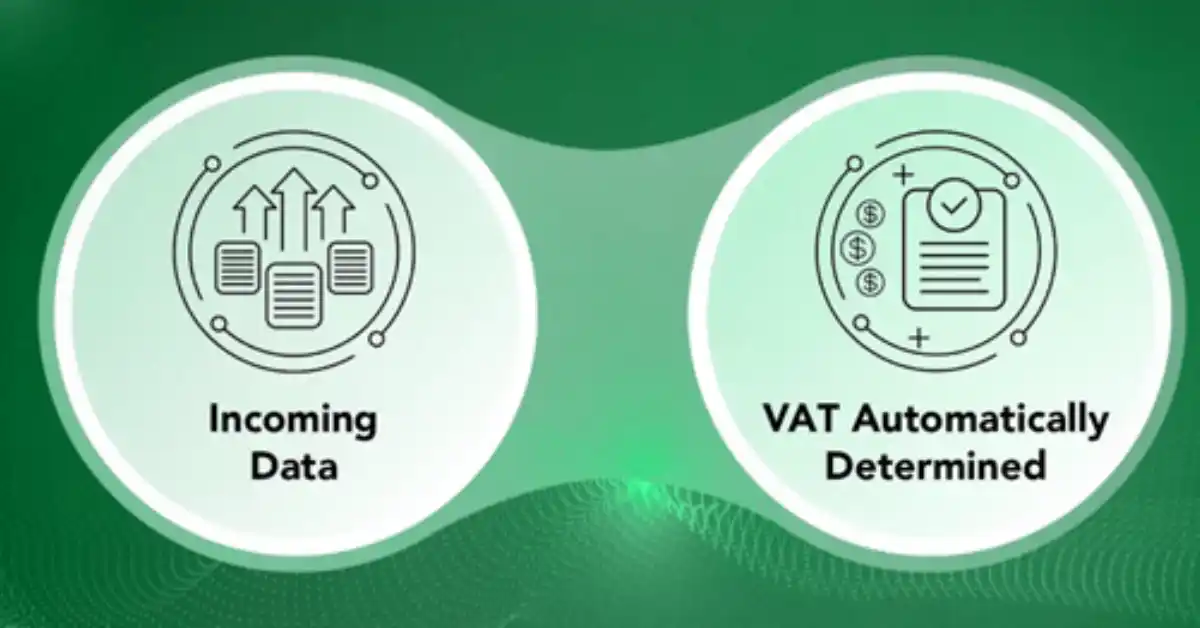
Your sales data flows automatically into Indraaj from your accounting system. The platform instantly categorizes every transaction, emirate by emirate, tax treatment by tax treatment (standard rate, zero-rated exports, exempt supplies). It captures every VAT-recoverable purchase from your suppliers. It calculates your net VAT position in real time, so you always know what you'll owe or get back. No more guessing. No more surprises.
When it's time to file, your complete VAT 201 return is already generated and verified. Every number is backed by actual transaction data. Every deduction is documented and audit-proof. You simply review, approve, and submit. The entire filing that used to take two days takes 20 minutes. But here's what really matters: Indraaj catches problems before they become fines. A transaction that the FTA would reject? Flagged immediately. A deduction you missed? The system highlights it. An emirate breakdown that doesn't reconcile with your actual operations? Caught and corrected before filing.
Real business impact: One trading company using Indraaj recovered AED 14,000 in missed VAT deductions they didn't even know they had. Another avoided a late filing penalty by getting automatic deadline reminders. A third eliminated every audit finding because their records were already organized exactly as the FTA expects.
Calculate this for your business: Two staff days per quarter spent on VAT = AED 4,000 in labor cost per year. One late filing penalty every three years = AED 1,000. One missed deduction per year = AED 8,000. One audit with compliance issues = AED 5,000 in fines plus staff time. That's AED 18,000+ annually in penalties, lost refunds, and wasted labor.
Indraaj costs less than what you're already losing to manual processes.
Why You Need to Act Now
VAT requirements are getting stricter. The FTA's systems are getting smarter.E-invoicing requirements are tightening. Self-invoicing is gone. Audits are becoming more aggressive. If you're still managing VAT manually in 2026, you're not behind schedule; you're operating with unnecessary risk and unnecessary cost.
The businesses that switched to automated VAT compliance in 2024 and 2025 are now ahead. Their compliance is bulletproof. Their refunds are maximized. Their fines are zero. They're not spending two days a quarter on filing.
Your competitors might not have made the switch yet. That's your window. See how Indraaj transforms your VAT filing from a compliance headache into a source of recovered money and peace of mind. Book a demo and stop leaving AED 18,000+ annually on the table.